
Magic truffle VS. Mycelium
Magic Truffles vs. the Mycelium Bar: A Product Format Comparison
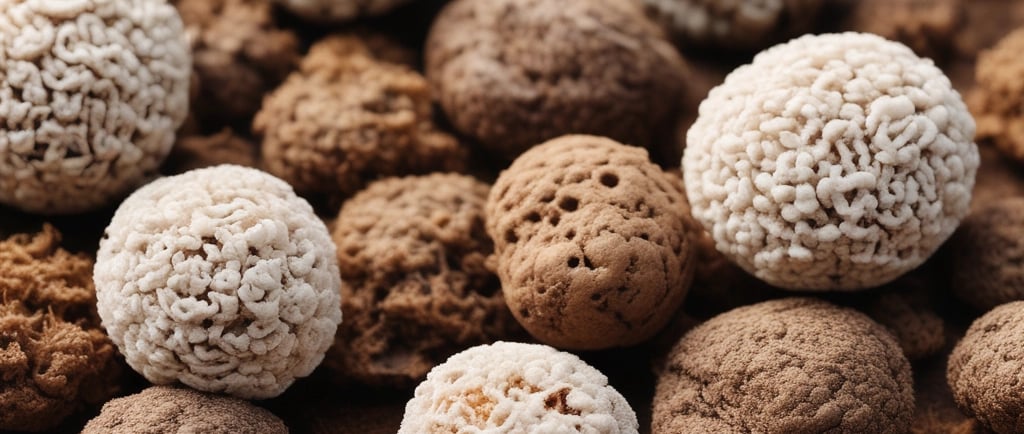
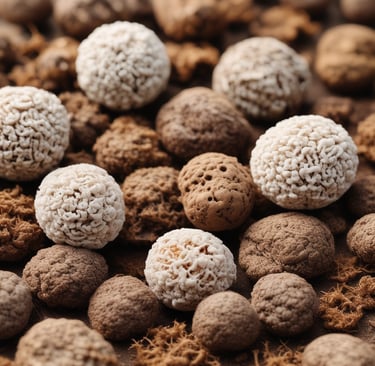
As interest in mushroom-based products continues to grow, magic truffles are becoming more widely known. Alongside traditional formats, new approaches are emerging that explore alternative cultivation methods and product design. One such approach is the mycelium bar, represented by the Magic Bar.
Magic truffles and the Magic Bar contain the same naturally occurring compounds found in certain fungi. However, they differ in how those compounds are cultivated, stored, and presented as products. This article provides a factual comparison of formats and does not describe effects or intended use.
Magic truffles are underground fungal structures that develop as part of a mushroom’s natural life cycle. They are typically harvested and sold in their raw form. As a fresh biological product, magic truffles have a limited shelf life, a dense physical structure, and are generally consumed shortly after opening. These characteristics are inherent to the truffle format itself.
The Magic Bar is a mycelium-based product developed to contain the same naturally occurring compounds as magic truffles, presented in a different physical format. Rather than relying on dense truffle material, the Magic Bar is cultivated using mycelium grown on pasta flour, a food-grade substrate selected for its consistency and structural properties. This approach reflects a controlled cultivation process rather than traditional harvesting alone.
Magic truffles are composed of compact fungal tissue. The mycelium bar format approaches cultivation differently by focusing on substrate selection during growth. Growing mycelium on pasta flour allows for a more uniform, food-like structure. This design choice relates to how the product is formed and handled, rather than to any claimed physiological effects.
Magic truffles are widely associated with a strong, earthy taste. The Magic Bar is designed with a neutral taste profile, reflecting differences in cultivation and substrate rather than added flavoring. This distinction is relevant when comparing product formats from a food perspective.
Fresh magic truffles typically require prompt consumption due to their perishable nature. The Magic Bar was developed to allow for longer storage. When kept frozen, the mycelium bar can be stored for up to six months, allowing it to be retained without immediate use. This storage characteristic reflects differences in product format and handling.
Magic truffles are generally consumed as a single unit once opened. The Magic Bar is supplied in resealable packaging, allowing the product to be stored and accessed over time while maintaining product integrity.
Both magic truffles and the Magic Bar contain the same naturally occurring fungal compounds. The distinction between them lies in cultivation method, physical structure, storage properties, and packaging, rather than chemical composition.
The Magic Bar reflects a structured approach to mycelium-based products, emphasizing controlled cultivation, food-grade materials, and intentional product design. Information provided on myceliumbar.com is intended to describe product characteristics in a clear and transparent manner.
Disclaimer
This content is provided for informational and educational purposes only. The Magic Bar is not marketed as a medicinal product and does not make health or therapeutic claims. No claims are made regarding effects, outcomes, or experiences. Availability, legality, and permitted use of mushroom-based products may vary by jurisdiction. It is the responsibility of the reader to comply with all applicable local laws and regulations.